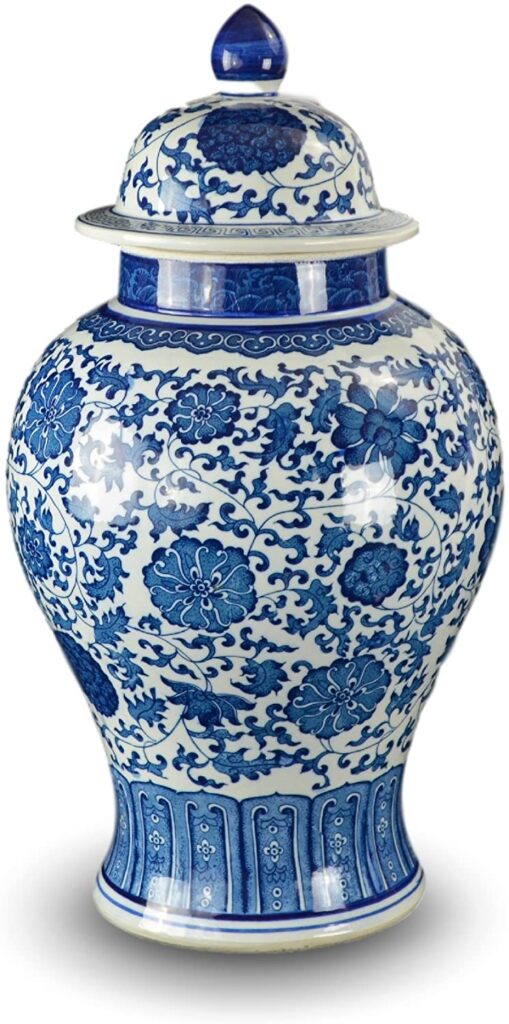
Pottery and porcelain are both objects known for being made from clay and for being fired at high temperatures. While the kilns used to make the objects required a various array of skills and differed in their quality, “the imperial kilns often did not succeed at producing enough items, both in terms of quantity and in terms of quality” (12). Therefore, the private kilns were able to benefit. However, ““in sixteenth-century Jingdezhen, the imperial kilns produced extraordinary porcelains” (1). These imperial kilns were known for producing porcelain that could be used during ceremonial events and rituals. The availability of natural resources at the time was responsible for determining the quality of the production. It is quite interesting that the different time periods dictated the kilns’ quality and production.
While “the workforce in Jingdezhen was made up of different constituencies,” they consisted of various artisans and craftsmen that worked for different amounts of time on different activities (2). The population was divided into households that were responsible for numerous labour duties. The individuals known as labourers were responsible for working with the kilns. Although there was an abundance of opportunities for the labourers, “the supply of such labourers to the imperial kilns formed part of the tax obligations that were imposed upon the county-level administrations in the region of Jingdezhen” (3).
The factories were known for hiring individuals that lacked a high level of skill and these workers typically worked on a temporary basis as their positions were seasonal. I am curious as to how the industry was affected because of the fact that it couldn’t operate during months when the temperature dropped to levels below freezing. Furthermore, it was difficult to find workers capable of performing the high skilled labor. The workers that performed such high skill labor were paid a greater rate. This practice is similar to how individuals today traditionally earn higher incomes for work that requires additional skills and experience.
Works Cited
Ho, Soleil. “The Rich, Complex History Hiding Within Chinese Plate Designs”. Thrillist, June 10, 2019. URL: https://www.thrillist.com/eat/nation/chinese-plate-design-history
Slides (Gdrive link)
Gerritsen, Anne. The City of Blue and White : Chinese Porcelain and the Early Modern World. Cambridge: Cambridge University Press, 2020.
